
Why Don’t Filipinos Talk About Sex?


The Philippines, for all its supposed progress, has barely moved forward in conversations about sex. Our country is giant hyprocrite in this aspect.
As a nation, we’re obsessed with sex in a paradoxical way. Our teleseryes often feature cheating or infidelity storylines with gratuitous sex scenes to emphasize the affair's carnal attraction. Filipinos also topped Pornhub’s consumption reports in 2023, spending the most time on the site globally. Yet sex, even just talking about it, is frowned upon.
DILG Secretary Benjamin Abalos revealed that rape is the number one crime in some areas of the country. In 2013, the PNP reported 9,387 rape cases—about 26 incidents per day.
Consensual sex figures aren’t any better. Teenage pregnancy rates are up by 35 percent according to the Commission on Population and Development (CPD).
ALSO READ
The MTRCB Has Banned the Talk Show of a Licensed Sex Therapist from Airing
The MTRCB Banned My Show. That’s Not Going to Stop Me From Promoting Sex Education
What a conundrum, really. Young girls and women are often sexualized, but open discussions about sexual health and wellness are taboo. It’s more acceptable for men to objectify women than for women to take control of their bodies. Sex education? It’s unspeakable to even consider discussing this with children, yet 17 percent of 13- to 17-year-old Filipinos have experienced sexual violence.
Earlier this year, the Movie and Television Review and Classification Board (MTRCB) shut down the TV talk show Private Convos with Doc Rica, which focuses on sex and relationship issues. The agency claimed the show violated its rating guidelines, asserting it aired content that "purely appeals to prurient interest." The show was broadcast on the One News cable channel.
As a society, Filipinas are expected to act like Noli Me Tangere’s Maria Clara—prim and proper. Conveniently, they forget that Maria Clara was raped by a priest and was a product of rape. They want submissive women who see sex merely as an act to please men, never taking pleasure or deciding for themselves. Filipinas shouldn’t be improper, unladylike, or… unbecoming.
Unprude founder Dr. Rica Cruz suggested finding natural opportunities in everyday life for parents struggling to initiate conversations with their children about sex. “We have to find pockets, moments of conversation. For example, you can dance with them on TikTok or talk about trends because those TikTok trends and songs talk about sex all the time,” she said.
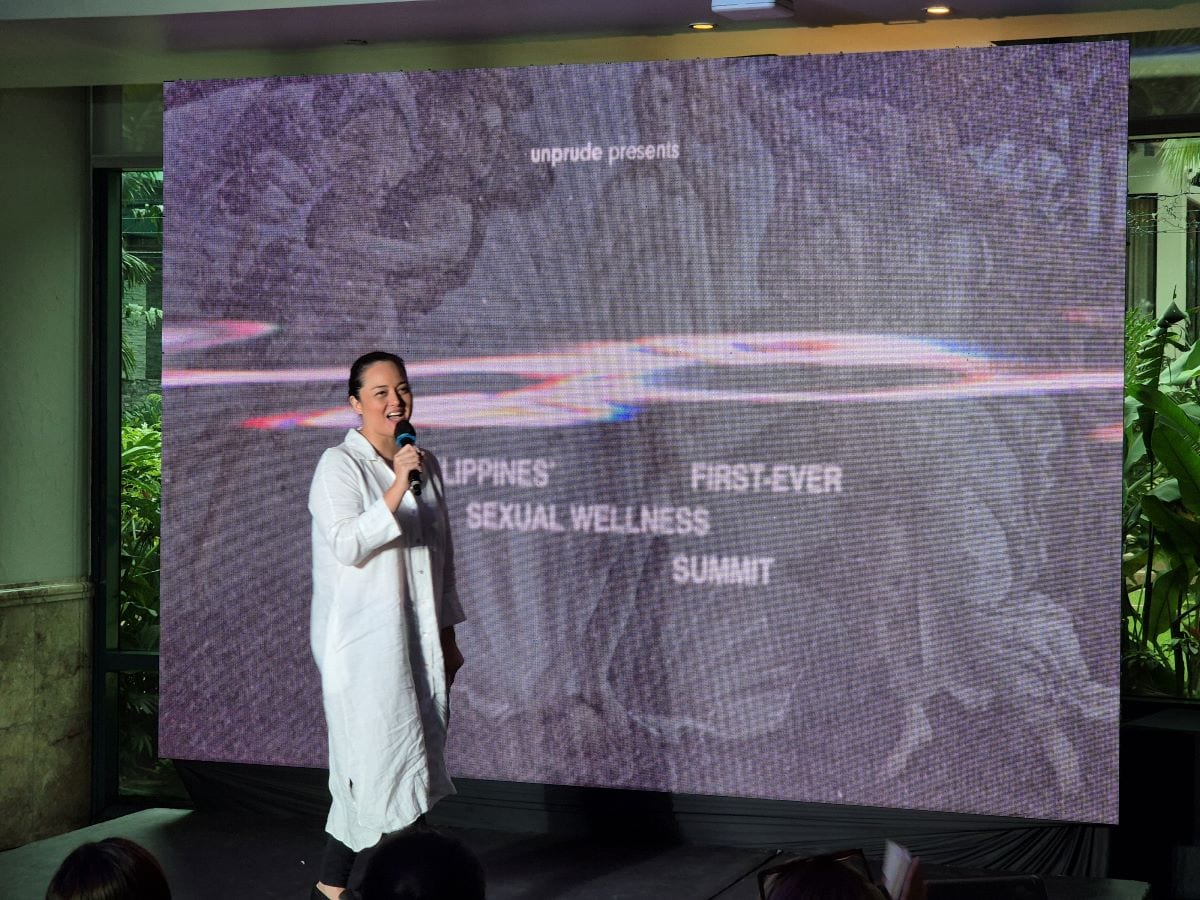
Unbecoming: Philippines’ First Sexual Wellness Summit
This contradiction was central to "Unbecoming: The Philippines' First Sexual Wellness Summit." Organized by Unprude, the summit aimed to break the silence surrounding sex and promote a healthier, more informed approach to sexual wellness in a country where such topics are considered taboo.
As a religious country, the Philippines, with roughly 80 percent of the population identifying as Catholic, claims to have conservative cultural norms. This has bred an environment in which openly discussing sex, even for health and education purposes, is often met with discomfort, embarrassment, or outright resistance. Our senators can shout 'Sex!' as unhinged as possible on national television, but women should be ashamed of even uttering it.
Our society’s reluctance to talk about sex, however, doesn’t only impact young girls, women, and children. According to the US Centers for Disease Control and Prevention (CDC), the Philippines is dealing with a rapidly growing HIV epidemic. Between 2012 and 2023, there was a recorded 411% increase in daily HIV incidence. While the massive rate increase can be attributed to effective public health surveillance and increased testing efforts, there is no doubt that Filipinos need to be better educated about safe sex and Sexually Transmitted Infections (STIs).
There is an urgent need for comprehensive sex education in the Philippines and for open dialogue about sexual health that starts at an early age. Yet, efforts to implement such programs often face fierce opposition from religious organizations and conservative groups. As a result, much of the Filipino population is not equipped to make informed decisions about their sexual and reproductive health.
There’s hope, however, and the proof is in the success of “Unbecoming.” The event drew a crowd of positive Filipinos eager to normalize conversations about sex and sexual wellness, signaling that change is within reach. The country's first sexual wellness summit featured diverse speakers, workshops, and interactive booths promoting a positive and informed approach to sexuality.
"Because we don't talk about sex, we never talk about consent, and we never talk about abuse," said Alano.
Confronting Cultural Taboos
Perhaps the most provocative and necessary discussion came from Kat Alano's talk, "Sex in Filipino Culture: The Conversation We've Never Had." Alano bravely tackled the deep-rooted issues surrounding sex in Philippine society, tracing the origins of sexual taboos to the Spanish colonial period.
Alano highlighted the stark double standards in Filipino sexual culture: "Women are constantly bombarded with media that encourages them to cater to the male gaze, and the word 'sexy' is thrown around young girls far too often for comfort. Yet, women are supposed to remain chaste and pure."
She also addressed the dangerous consequences of this sexual repression, particularly in terms of sexual violence and victim-blaming. Alano shared her personal experience as a rape survivor, illustrating how the lack of open dialogue about sex contributes to a culture that often silences and shames victims.
"Because we don't talk about sex, we never talk about consent, and we never talk about abuse," Alano stated. "Because women are seen as objects made to satisfy the desires of men, issues like rape are brushed to the side and treated just like a bad sexual encounter."
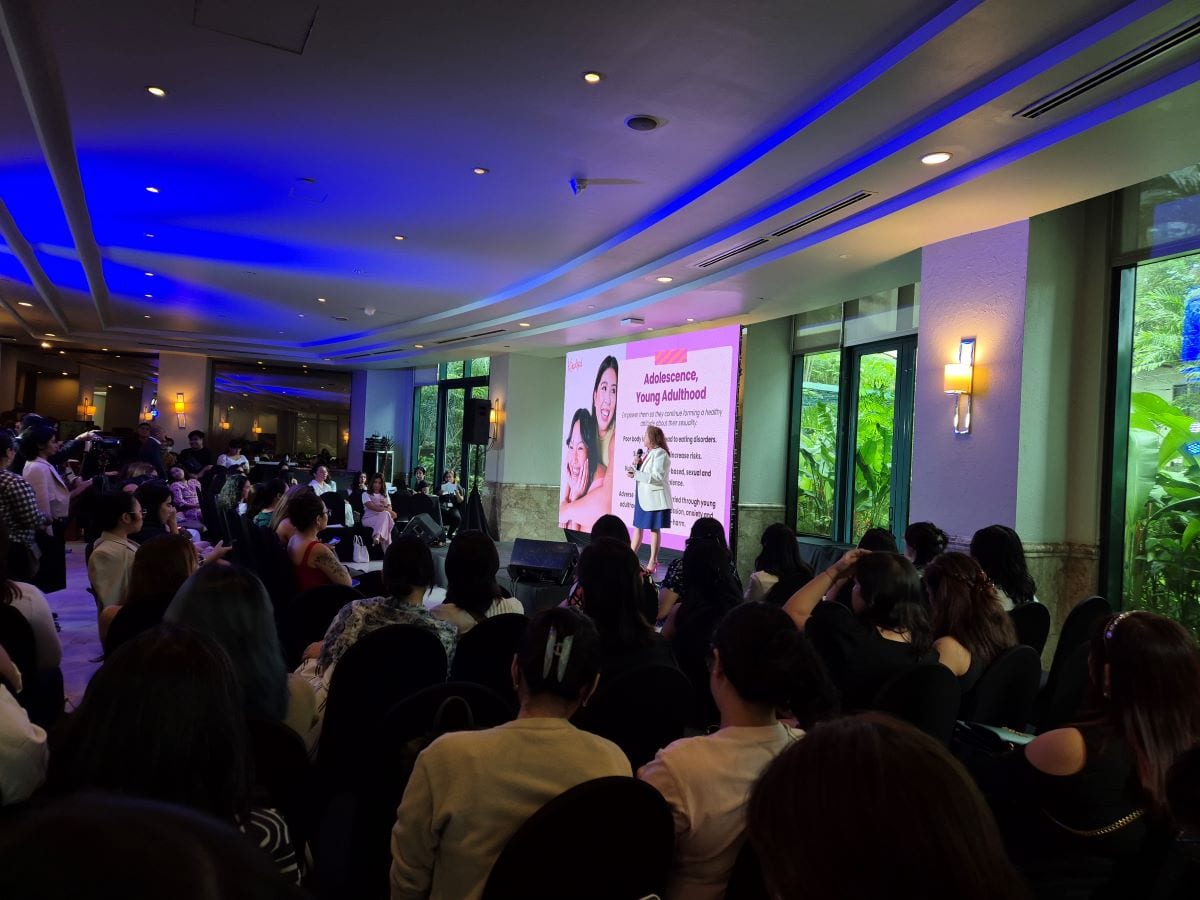
"Unbecoming: The Philippines' First Sexual Wellness Summit," drew a crowd of positive Filipinos eager to normalize conversations about sex and sexual wellness.
Empowering Parents for Open Conversations
Unprude’s founder, Dr. Rica Cruz, the only Filipino who is a US board-certified Diplomate in Clinical Sexology, held a workshop to kick off the event: “From Taboo to Talk: Workshop for Parents.” While it was mainly for parents to understand and navigate how to help their children understand sex and relationships, newlyweds and single people were also in attendance.
Most, if not all, in attendance expressed their desire to help young children—whether their own, within their family, or their students—understand sex. But for parents who still flinch at the idea of discussing sex with their little ones, Cruz emphasized the importance of examining their own relationship with sex first.
“They have to start from within themselves,” she told Esquire Philippines. “Basically, it’s understanding the messages that they received about sex growing up and realizing if it still serves them as people.”
But sex isn’t just about physical acts like inserting body parts or touching. During the workshop, Cruz explained that sex encompasses eight aspects: “Relationships,” “Values, Rights, Culture, and Sexuality,” “Understanding Gender,” “Violence and Staying Safe,” “Skills for Health and Well-being,” “Human Body and Development,” “Sexuality and Sexual Behavior,” and “Sexual and Reproductive Health.”
In other words, discussing sex with kids is not just about giving them the "birds and the bees" talk, nor is it a conversation you should only have when you catch your child exploring themselves. In fact, Cruz recommends starting early—as early as four years old."
From the age of four to seven, the discussions should start with basic body parts, families, love, bodily autonomy, and safe/unsafe touch. Starting this early not only prevents sexual abuse from predators who take advantage of unsuspecting children who don’t know the real names of their body parts and have no clue about consent, but it also helps to normalize the topic as they grow up.
“The more often you talk about these things, the less overwhelming or embarrassing they become for you and your child,” Cruz explained during the workshop.
By the time they’re eight to eleven, children will start to form crushes. Parents should now be discussing friendships/crushes/social relationships, SOGIE, digital safety, puberty, masturbation, STIs, and safe sex. Many in the workshop, especially the teachers, confirmed that at this age, children are not only curious about sex but are actively exploring it–and not just with themselves, but even with their schoolmates. Not talking about sex, as a matter of fact, is not going to lead to less sexual activity among teens.
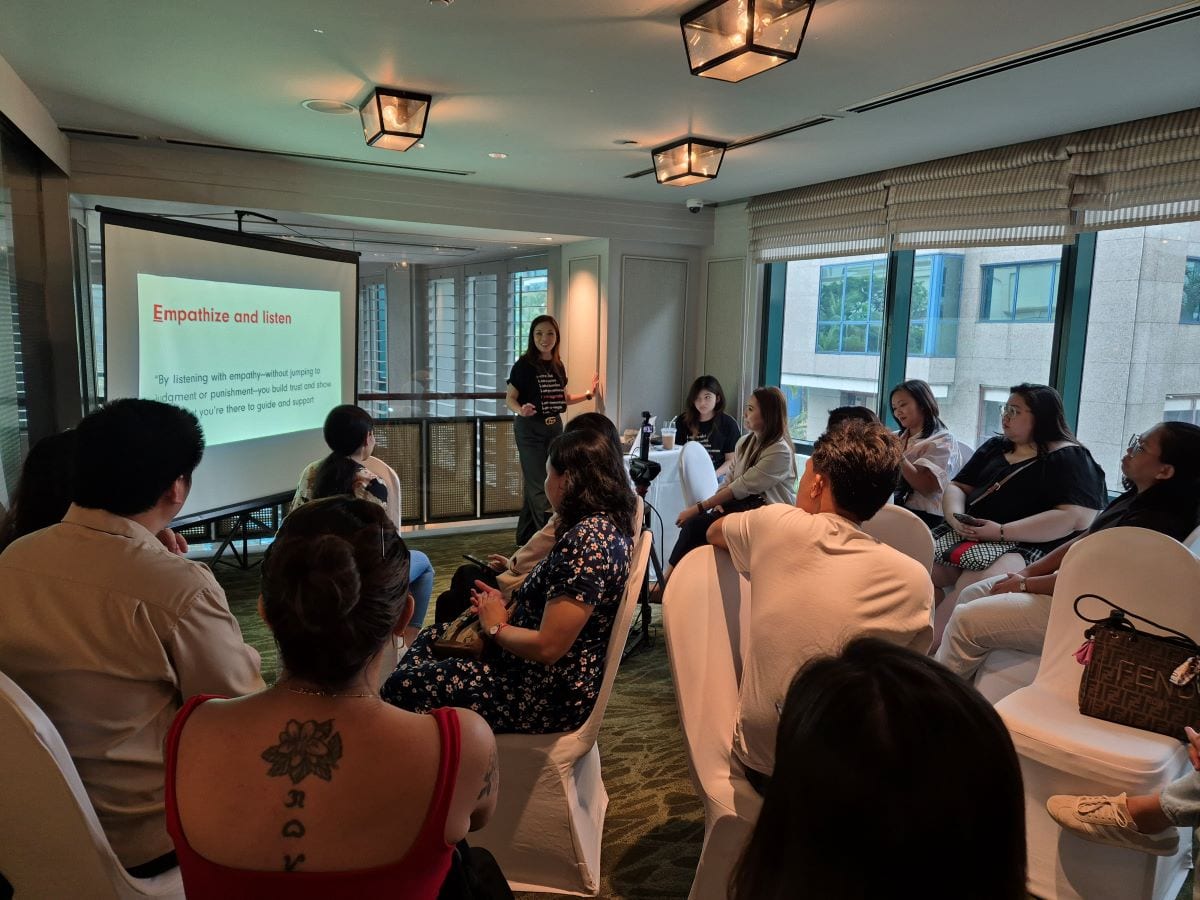
As they grow into their teenage years, ages 12 to 14, parents must now further discuss STIs, peer pressure, romantic relationships, sexting, pornography, and sexual pleasure. Cruz stressed, “By listening with empathy–without jumping to judgment or punishment–you build trust and show them that you’re there to guide and support them.”
Now, if you’ve “missed the train,” there’s no better time to start than now. Cruz suggested finding natural opportunities in everyday life for parents struggling to initiate conversations with their children. “We have to find pockets, moments of conversation. For example, you can dance with them on TikTok or talk about trends because those TikTok trends and songs talk about sex all the time.”
If “Unbecoming” is any indication of the country’s progress towards having a healthier relationship with sexuality, then there’s surely plenty of good things ahead. “This is proof that people want to learn. People are curious, people are ready. So this is going to happen every single year for sure. There’s so much to do, and there’s so much in the culture to change,” Cruz said.
